




Growing Gymea Lilies from seeds
rezan
16 years ago
Sort by:Oldest
Comments (5)
Related Stories
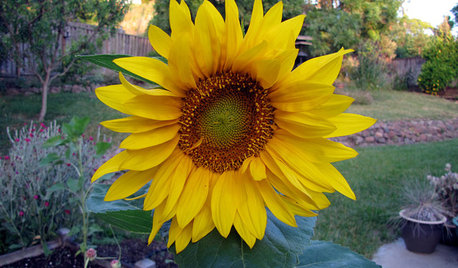
MOST POPULARSummer Crops: How to Grow Sunflowers
Savor snack-tastic sunflower seeds once the radiant blooms have faded — if the birds have saved you any, that is
Full Story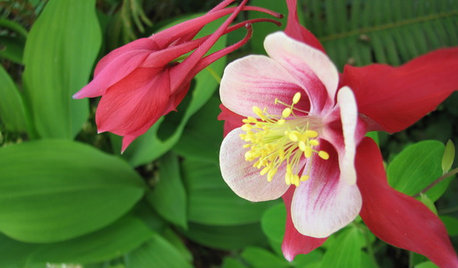
GARDENING FOR BUTTERFLIESGreat Design Plant: Columbine Grows Happily in Shade and Sun
Its ethereal beauty comes from complex forms and wide-ranging colors, but columbine’s benefits are highly attractive too
Full Story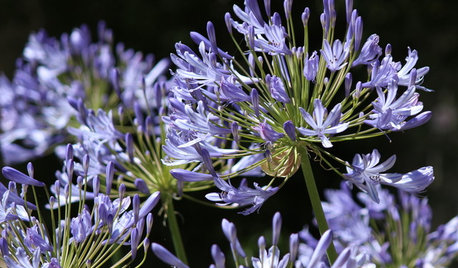
GARDENING GUIDES8 Plants That Snobs Love to Hate — and You'll Love to Grow
Don't dismiss these common annuals, perennials and shrubs — there are reasons they've been popular for so long
Full Story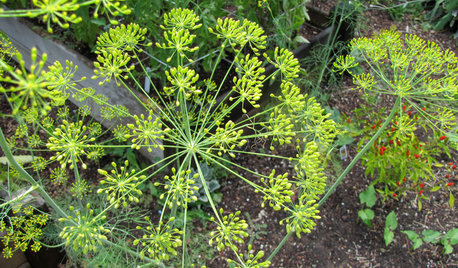
EDIBLE GARDENSHerb Garden Essentials: Grow Your Own Tasty, Frilly Dill
Flavor your food and attract butterflies with easy-care (and pretty) dill in the garden
Full Story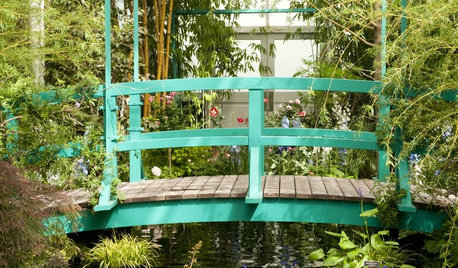
FLOWERSLessons from Monet's Garden
See how to bring the impressionist painter's vision to life in your own landscape with these flower choices and garden design ideas
Full Story
GARDENING GUIDESGot Allergies? 9 Plants to Avoid and What to Grow Instead
Having allergies doesn’t need to mean giving up your garden. Here are some options that will let you garden sneeze-free
Full Story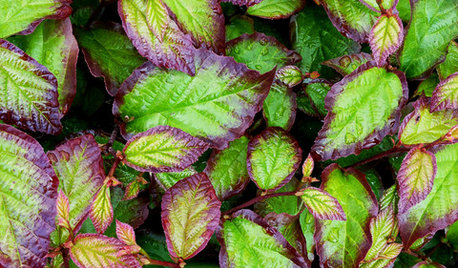
GARDENING GUIDES7 New Plants to Grow for Beautiful Foliage
Add color, structure and interest to your garden with these recently introduced plants that sport exceptional foliage
Full Story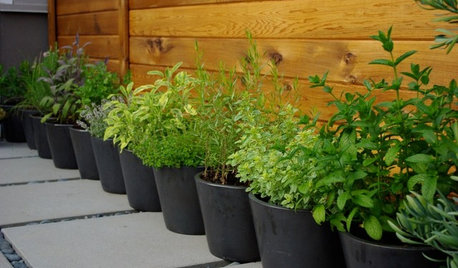
GARDENING GUIDES6 Ways to Grow Edibles in Small Places
No big backyard? Join in the grow-your-own fun with these small-space ideas for planting vegetables, fruits and herbs
Full Story
HOUSEPLANTS10 Top Plants to Grow Indoors
Brighten a room and clean the air with a houseplant that cascades artfully, stretches toward the ceiling or looks great on a wall
Full Story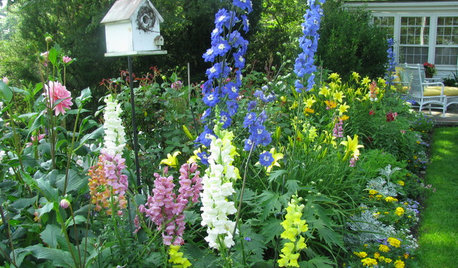
GARDENING GUIDESHow to Grow a Flower Garden for Bouquets
Enjoy fresh blooms indoors, bring beauty and fragrance to your garden beds, and help support pollinators
Full Story
More Discussions
native_jim
rezanOriginal Author
Related Discussions
WANTED: Can you grow any lily from the seed pods?
Q
Growing Tiger Lilys from Seed...
Q
Renga lilies - growing from seed (pot or ground?)
Q
Growing gymea lilies
Q
rezanOriginal Author
native_jim
rezanOriginal Author