




Fertilizing after pruning
sarah1
18 years ago
Sort by:Oldest
Comments (4)
Related Stories
GARDENING GUIDESGet on a Composting Kick (Hello, Free Fertilizer!)
Quit shelling out for pricey substitutes that aren’t even as good. Here’s how to give your soil the best while lightening your trash load
Full Story
WINTER GARDENINGPruning Secrets for Exquisite Roses
Encourage gorgeous blooms year after year with this time-tested advice on how to prune your rosebush in winter for health and shape
Full Story
GARDENING GUIDESHow to Prune Your Flowering Shrubs for the Best Blooms
Less is often more when it comes to properly pruning flowering shrubs. Here’s what to do and why
Full Story
GARDENING GUIDESGot Frost-Damaged Plants? How It Happens, and When and How to Prune
Crispy brown leaves are a sure sign that Jack Frost has been to your neighborhood
Full Story
GARDENING GUIDESCommon Myths That May Be Hurting Your Garden
Discover the truth about fertilizer, soil, staking and more to keep your plants healthy and happy
Full Story
GARDENING GUIDESHow to Keep Your Citrus Trees Well Fed and Healthy
Ripe for some citrus fertilizer know-how? This mini guide will help your lemon, orange and grapefruit trees flourish
Full Story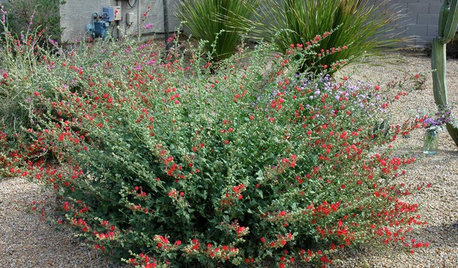
GARDENING GUIDESSouthwest Gardener's February Checklist
Orange you glad for a citrus-fertilizing reminder? And don't forget the recommended doses of vegetable seeds and cold-hardy flowers
Full Story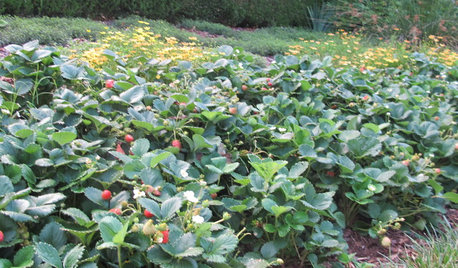
REGIONAL GARDEN GUIDESSoutheast Gardener's September Checklist
Fertilize strawberries, plant a tree or two and beckon hummingbirds to your Southern garden this month
Full Story
GARDENING GUIDESHow to Switch to an Organic Landscape Plan
Ditch the chemicals for a naturally beautiful lawn and garden, using living fertilizers and other nontoxic treatments
Full Story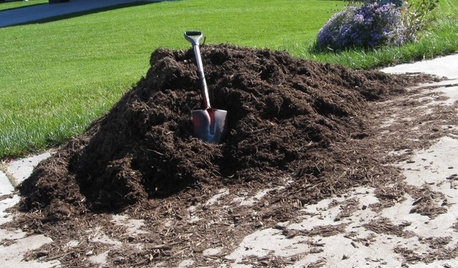
FRONT YARD IDEASBefore and After: Front Lawn to Prairie Garden
How they did it: Homeowners create a plan, stick to it and keep the neighbors (and wildlife) in mind
Full Story
lozza
Fran_C
Related Discussions
When to fertilize for spring flush?
Q
Timing Fertilizer /Pruning for Rhodys
Q
Fertilize After Pruning?
Q
Too late to fertilize?
Q
lozza
brenton